About Heat Transfer Plates
-
Plate heat exchanger (PHE)
-
Heat transfer plates
-
Gasketed plate heat exchanger
-
Brazed plate heat exchanger
-
Welded plate heat exchanger
-
Corrugated plates
-
Thermal efficiency
-
Counterflow heat exchange
-
Heat transfer coefficient
-
Pressure drop
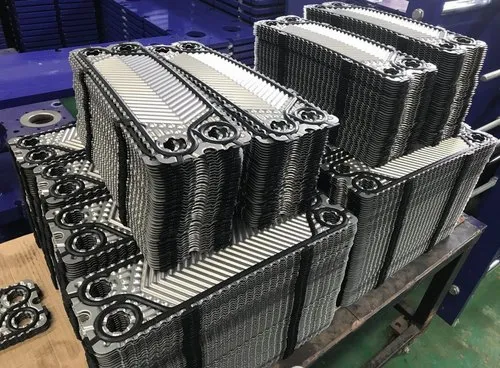
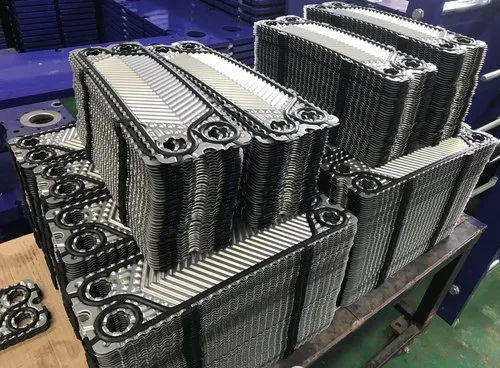
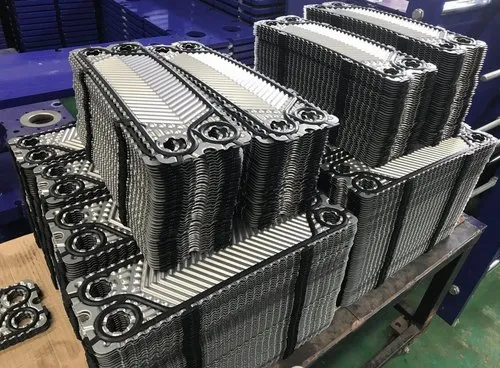
Engineered for Efficiency and DurabilityOur heat transfer plates leverage advanced corrugated designs to induce turbulence, significantly enhancing heat transfer while minimizing pressure drops. Manufactured from stainless steel, titanium, or nickel alloys, each plate resists corrosion in demanding industrial environments. With polished or anti-corrosive coatings and multiple joining methods-including gasketed, brazed, or welded-you receive a robust, long-lasting solution tailored for HVAC, chemical, marine, oil & gas, and food processing applications.
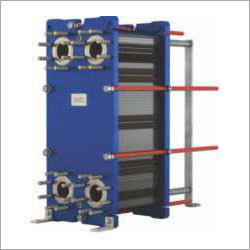
Customizable Design & Simple MaintenanceWe offer extensive customization across plate patterns, port sizes, and materials so each solution meets specific operational needs. Plates can be mounted horizontally or vertically, and our intelligent gasketed system allows for quick plate removal, streamlining maintenance and cleaning. Designed with integrated leakage detection, the system ensures safety and reliability while delivering up to 5 MW capacity and supporting flow rates up to 150 m3/h.
FAQ's of Heat Transfer Plates:
Q: How are heat transfer plates maintained and cleaned?
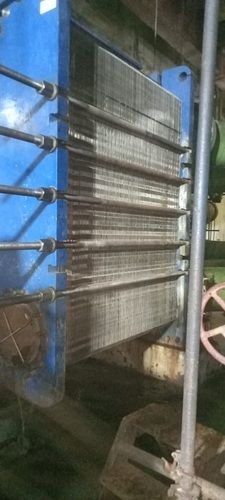
A: Maintenance is straightforward-heat transfer plates are designed for easy removal thanks to the gasketed joining method. This allows for simple cleaning or replacement, minimizing downtime and ensuring optimal unit performance.
Q: What industries commonly use these heat transfer plates?
A: These plates are widely used in HVAC, refrigeration, chemical processing, marine, oil & gas, and food industries due to their robust construction, corrosion resistance, and adaptability to various fluids and operating environments.
Q: When should I choose stainless steel, titanium, or nickel alloy plates?
A: The material choice depends on your process fluid and operating conditions. Stainless steel (AISI 304/316) suits most water and mild chemical applications, titanium is ideal for seawater and aggressive environments, while nickel alloys offer exceptional resistance to strong acids and high-temperature applications.
Q: Where can these heat transfer plates be installed?
A: They can be installed in a variety of settings, either horizontally or vertically, providing flexibility for system layout in plant rooms, process facilities, engine rooms, and manufacturing lines across different industries.
Q: What are the benefits of a corrugated plate pattern?
A: Corrugated plate designs promote turbulence, which increases heat transfer efficiency and reduces fouling, while also ensuring a low pressure drop for enhanced performance and energy savings.
Q: How does the integrated leakage detection work in gasketed designs?
A: Gasketed plate designs feature integrated leakage detection channels. These channels visibly direct leaks to the outside, allowing operators to identify and address issues early before they affect system performance.
Q: Can I request customizations for heat transfer plates?
A: Yes, we can tailor plate pattern, port size, materials, and surface treatments to your specific application requirements, ensuring you get a heat exchanger that aligns perfectly with your process and operational needs.





 Send Inquiry


 Send Inquiry
 Send Inquiry
 Send SMS


